
Images under pressure
Why great images survive when their context disappears

You know blood pressure? High blood pressure can give you a heart attack.
Images also have pressure. It works a little differently than in your body, but great images are highly pressurized. An image gains its power from two sources: a high pressure external context and the internal visual structure of the image. Let me explain this with a historical view.
Imagine a church like San Marco in Florence, where Fra Angelico worked. There is a building: large, impressive, taller than most buildings, highly adorned, full of sculptures, paintings, intricate details on the windows, silver, gold and marble everywhere. Across the street there is a monastery, where monks are sequestered. They live in simple white washed cells. There is only a bed, a crucifix on the wall, and a window placed high enough that you can see only the sky. Often there is a fresco painted directly on the wall. In these small rooms, the monks spend much of their day praying and meditating. When they look at Fra Angelico’s painting on the wall, they do not think about colour balance and eye direction. They use it to illuminate their mind’s eye and help the work of cementing their faith.
When I was doing my graduate studies I took a course on the history and philosophy of religions - this was probably my favourite course, especially because it was outside my discipline of study. I learned about the idea that a religion sustains itself through a self reinforcing cycle: belief - ritual - practice. You could enter a belief system through any one of these three doorways and it would eventually lead you to the other two.
None of these three elements can survive without the other two. It works like a centrifuge of faith - it spins.
A church is not a regular place - it’s a sacred space, separate from the normal, everyday reality. It is a transitional place: it exists in our physical world but it is also a portal to the metaphysical. God is in the house. What makes the sacred space different is the intensity and intentionality of its characteristics and contents.
The church is a power plant of faith. The nuclear power core of the church are the holy relics: the shroud that Jesus was buried in, St. Anthony’s jaw, St. Jerome’s finger, etc. You need some piece of a mortal who has been touched by the divine. Or something that was touched by the person who was touched by the divine, like the tools that were used to torture a particular saint, for example.
Everything about the architecture of a church - the layout, the height, the way light enters the space - is perfectly orchestrated towards creating a sacred experience. To drastically separate it from the profane world outside. The same is true of all the art therein - everything depicted is meant to contribute to increasing the pressure of the sacred space. Icons are often blessed by a priest and therefore contain the holy spirit: they are not just paintings, they are devotional objects. In fact they are called working images ( a subject of great fascination for me and a future article)
Let’s bring it home: you have the belief - ritual - practice centrifuge starting to turn. The relics make it go faster. Pressure rises. The incense is burning, the choir is singing. Pressure rising. The monks are praying hard, pumping the pressure of the church. The sunlight streams through the painted glass and sprinkles rainbows through the church. Pressure rising. The paintings that you see inside make visible the divine mystery. The relics emanate the divine spirit. When you go to Mass and you have the bread and the wine, you experience the full power of the pressure chamber, as you take part in the ritual. Your ears might pop. The creation of this kind of experience lies at the core of all religions from the cave, to our days.
The paintings and sculptures from medieval, Renaissance and Baroque Europe that we refer to as art, were not actually art - in the modern sense. They were made with the purpose of supporting faith, and they would only have been seen in the pressure chamber of the church. This context gave art a powerful charge and lessened the relevance of questions of taste or composition or anything else we discuss here about art. You can still see masterpieces of art in the churches where they were first installed and that is the best way:
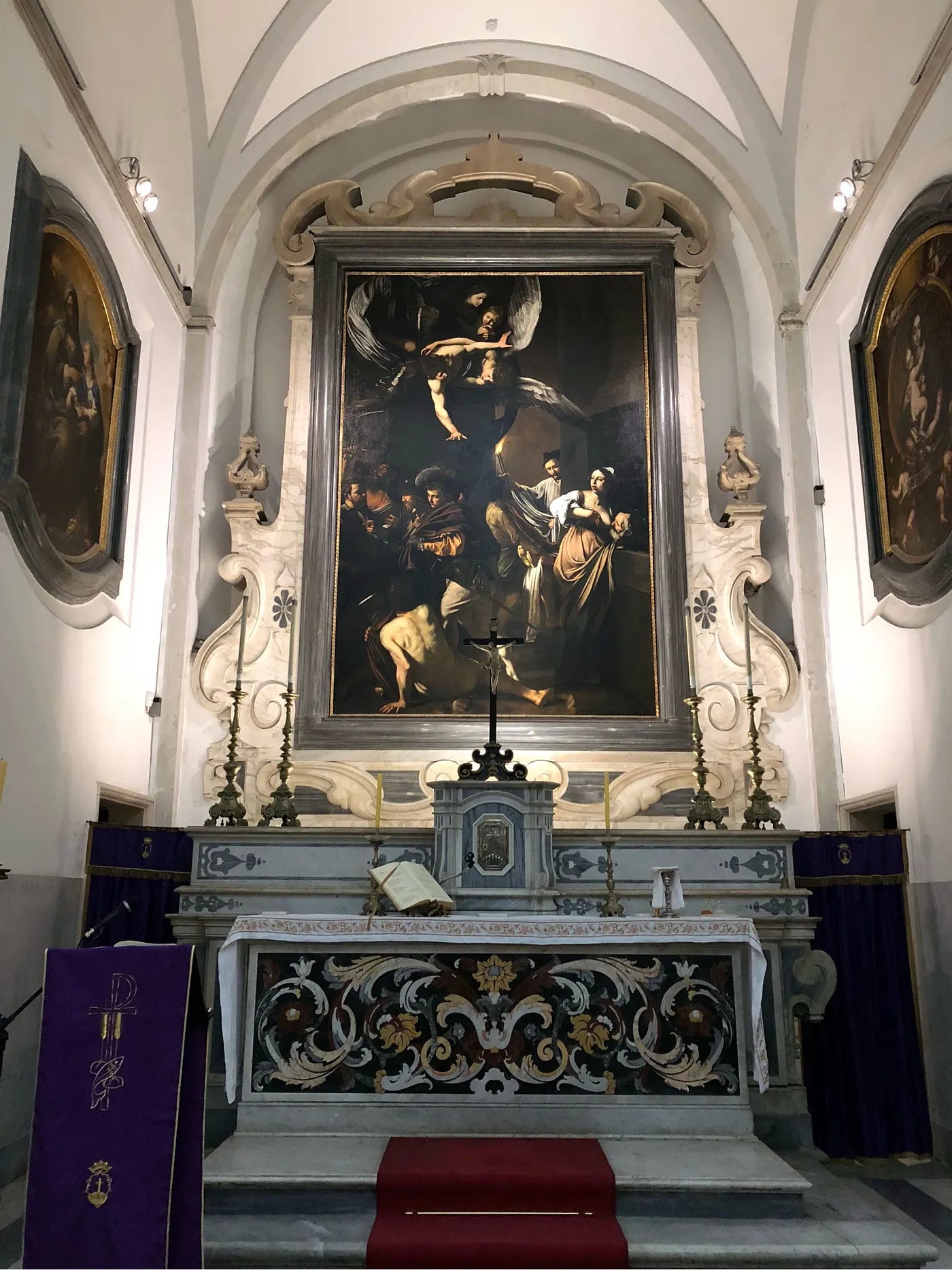
Even this setup is not quite correct, because the painting was meant to be seen in candlelight, not under harsh electric lighting. The pressure is lowered.
On the other hand, you will see such artworks in museums. A museum is a different space that has a different (and much reduced) kind of pressure in its system. In a museum, you will see art that comes from very different contexts, many of which were religious and culturally specific. This removal of context cancels the power of artworks and makes them into objects to look at - they don’t have that contact with mystery. It’s a kind of processing that makes the art shelf stable at the cost of removing nutritional value.
The museum removes the pressure that once surrounded the image and leaves only the pressure that exists inside it.
However, even in this pressure vacuum, some artworks are still powerful as a result of their high internal pressure. Here I mean composition, value and colour relationships, the directing of the eye, hierarchies of looking — the internal mechanics of the image.
When art became separated from religion it started to focus exclusively on harnessing the powers of these pressure systems that can be activated inside the canvas itself and do not require the connection to a larger system of thought or belief.
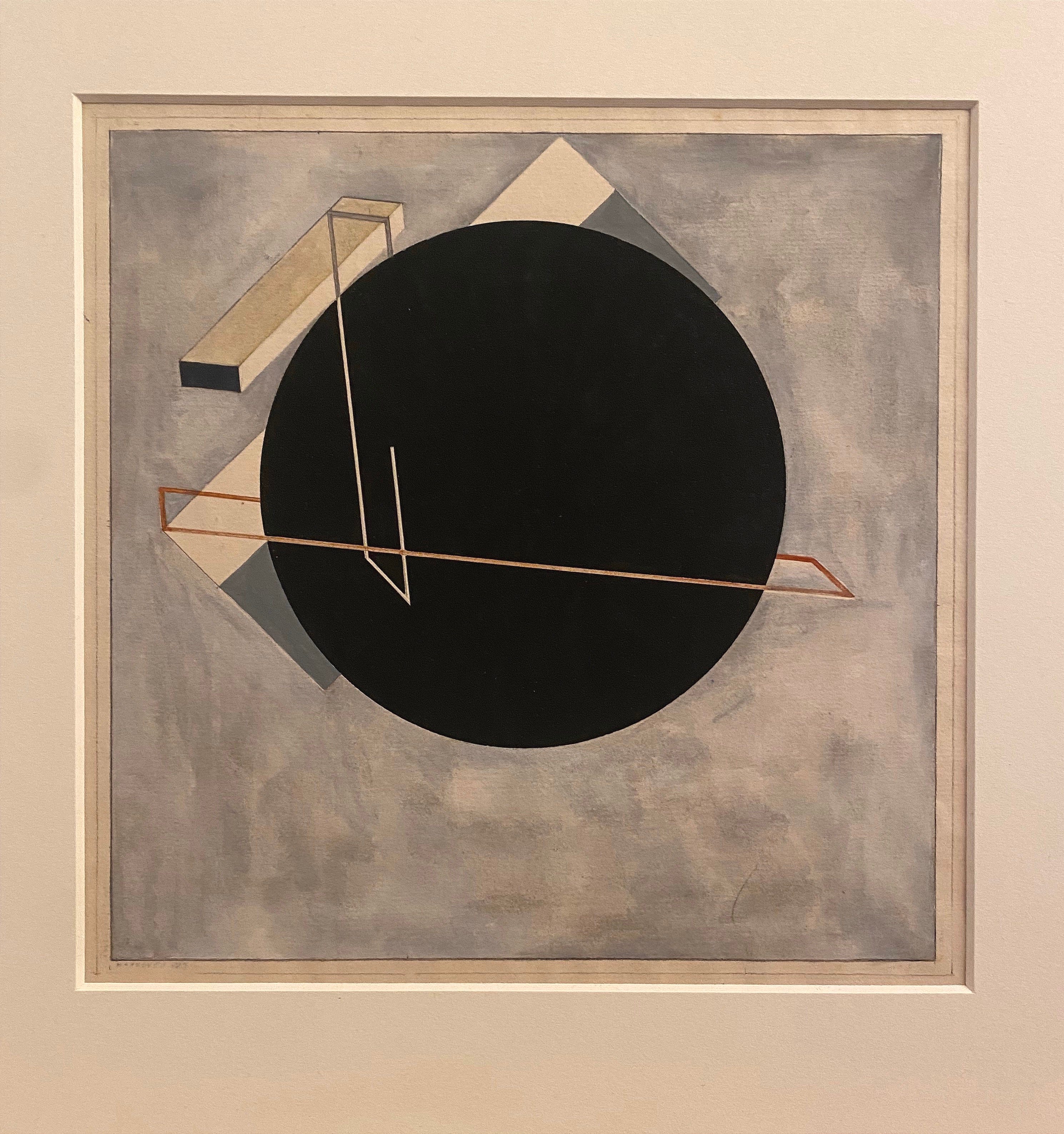
A few years after the Bolshevik Revolution of 1917, a group of artists believed that art could inspire a whole new vision of society. People like Kasimir Malevich and El Lissitzky invented an abstract aesthetic that aimed to represent the beginning of a Revolutionary new reality. They had total faith in the power of art and artists to inspire a whole new system and economic growth.
It is very interesting to realize that what they were really trying to do was the opposite of what I described above - they invented a highly pressurized visual language that they hoped would galvanize people like a religion and would, in turn, create that external pressure context that empowered working images of the past. This revolutionary artistic avant garde worked for about 15 years and encompassed art, architecture, graphic design. Eventually though, the Bolshevik regime grew suspicious of their aesthetic and ideas.
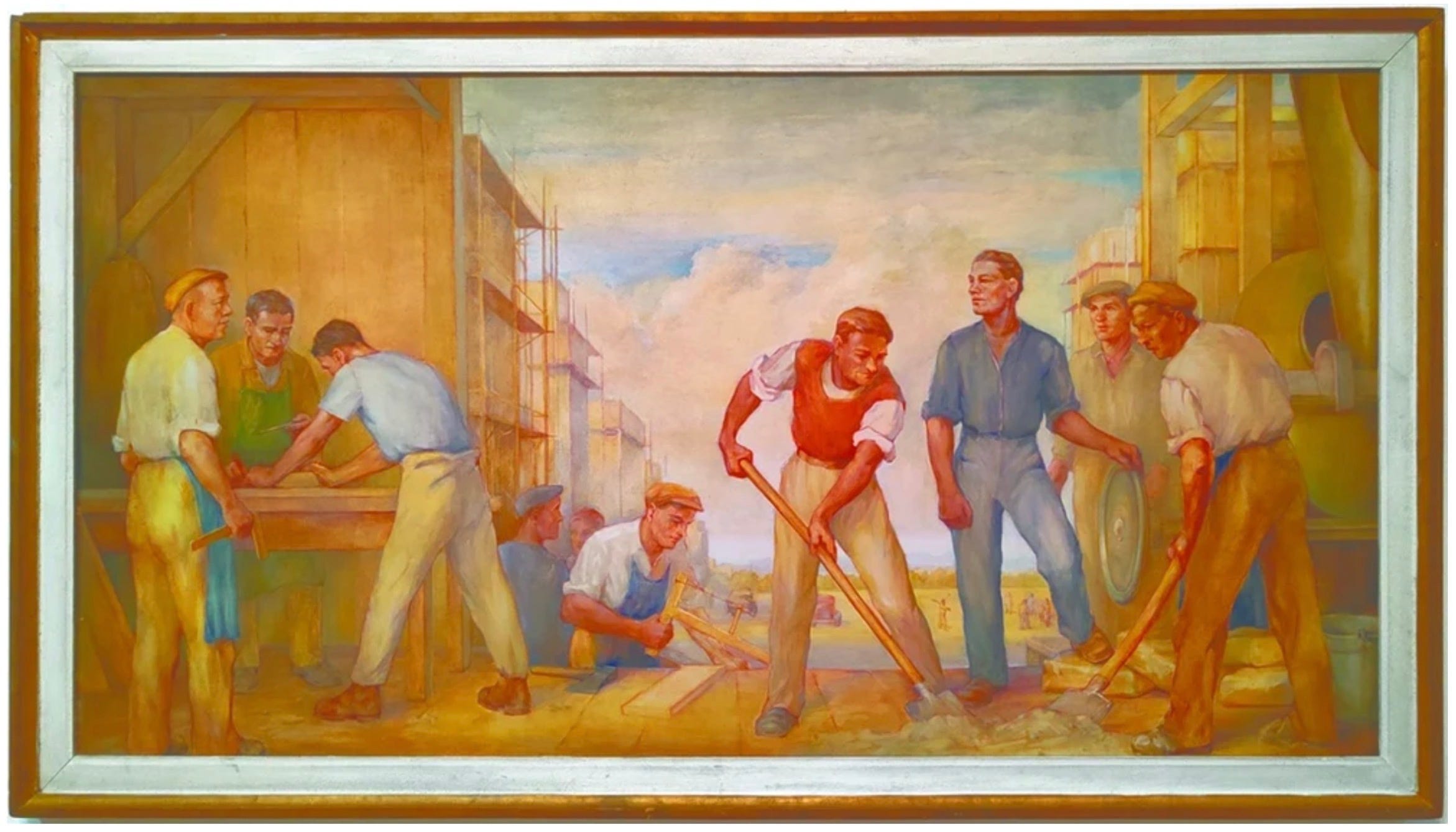
Stalin had his own thoughts about what art should look like and soon, the art of the Revolution became socialist realism. From the belief to the art, not the other way around! But it must be said that people had less faith in the religion of the state. This kind of context never achieved a pressure high enough to make great works of art. In fact this art was often hated. Here is an example of this type of art from communist Romania:
Let’s make another huge historical leap and talk about today’s art.
It is worth remembering that European societies between the 13th and 18th centuries were relatively homogeneous in their faith. Their institutions, customs, and daily lives were crystallized around religion. The people who entered a church like San Marco were already primed for the experience. They shared the same stories, the same rituals, the same expectations of what the images meant.
Something similar happened in Stalin’s world, although through coercion rather than belief. People were told what to believe, and they had better believe it.
Our contemporary world is very different. It is extremely diverse, and there is no single philosophy of life or worldview that everyone shares. There are still pockets of high-pressure belief systems: religions, sports fandoms, military cultures, political movements. But they do not unify society as a whole. Science shapes much of our understanding of the world, but science does not operate through ritual or symbolic imagery in the way religion once did.
Art therefore finds itself in a very different position. It no longer serves a large pressure system that amplifies its meaning and power.
Art today exists in a relatively low-pressure environment. The great pressure systems that once surrounded images (religion, shared belief, collective ritual) no longer organize society in the same way.
That means the image must carry most of its own weight.
When a painting succeeds today, it is usually because the internal pressure of the image is strong enough to hold our attention. Composition, value structure, colour relationships, hierarchy, rhythm: these forces generate pressure inside the picture itself.
Great images are pressure systems.
Sometimes that pressure comes from the world surrounding the image. Sometimes it comes from the structure inside the image itself. The most powerful works of art contain both.
"...your ears may pop". I felt every word in that paragraph.
Thanks for the thoughtful article with ideas I have not seen elsewhere. Food for thought!